
The Future of Digital Transformation: Trends to Watch in Web3


Introduction to Web3
The digital landscape is evolving rapidly, and at the forefront of this transformation is Web3. This new phase of the internet promises a decentralized, user-centric experience, drastically different from its predecessors. As businesses and individuals adapt, understanding the emerging trends in Web3 is crucial.

Decentralized Finance (DeFi)
One of the most significant innovations within Web3 is Decentralized Finance (DeFi). DeFi eliminates intermediaries, allowing users to engage in financial transactions directly through smart contracts. This shift is democratizing access to financial services, offering new opportunities for investment and savings.
With DeFi, users can expect lower fees, increased transparency, and a more inclusive financial system. As this sector grows, staying informed about regulatory changes and technological advancements will be essential for stakeholders.
Non-Fungible Tokens (NFTs)
Non-Fungible Tokens (NFTs) are reshaping the digital ownership landscape. These unique digital assets are being used to represent everything from art and music to virtual real estate. NFTs provide creators with new ways to monetize their work while ensuring authenticity and provenance.
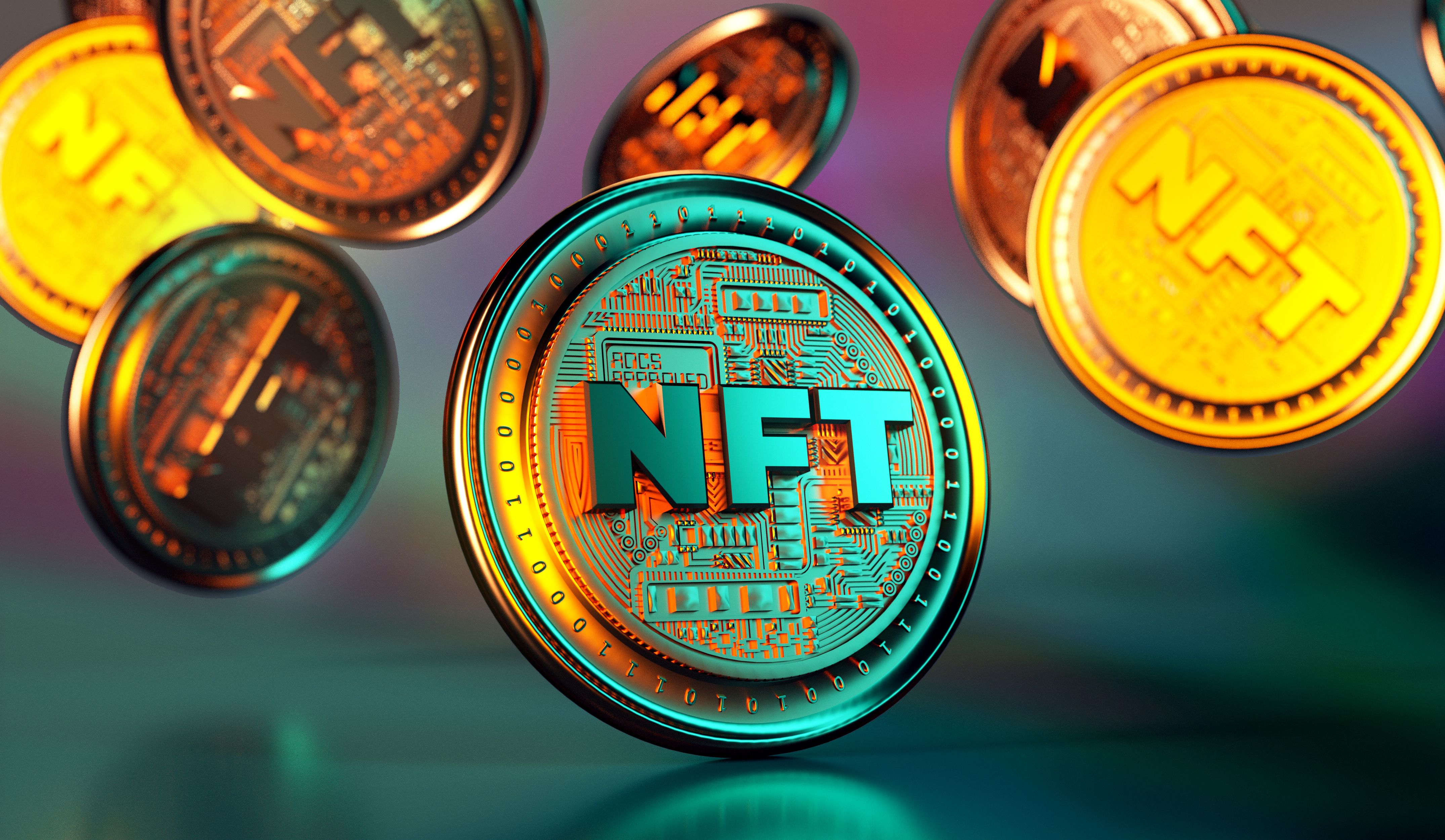
The popularity of NFTs has surged, but the market is still in its infancy. As technology develops, expect to see improvements in sustainability and usability, making NFTs more accessible to a broader audience.
Blockchain Interoperability
As more blockchains emerge, the need for interoperability becomes critical. Interoperability allows different blockchain networks to communicate and share information seamlessly. This capability is vital for fostering innovation and creating a more cohesive Web3 ecosystem.
Projects focusing on cross-chain solutions are gaining traction, providing users with the flexibility to move assets and data across different platforms without friction.

Decentralized Autonomous Organizations (DAOs)
DAOs are redefining how organizations are structured and operated. These decentralized entities are governed by code and community votes rather than traditional hierarchical management. DAOs offer transparency and inclusivity, enabling members to have a direct say in organizational decisions.
As DAOs become more prevalent, they present exciting opportunities for innovation in governance models across various industries.
Privacy and Security Enhancements
With the rise of Web3, privacy and security have become paramount. Users are increasingly aware of data protection issues, and Web3 technologies aim to give individuals control over their personal information. Decentralized identity solutions and zero-knowledge proofs are among the innovations enhancing user privacy.

These advancements are crucial for building trust in Web3 applications and ensuring widespread adoption.
The Role of Artificial Intelligence
Artificial Intelligence (AI) is playing a significant role in the evolution of Web3. AI technologies are being integrated to improve smart contract functionality, enhance user experiences, and drive innovation in various sectors. The synergy between AI and Web3 is paving the way for more intelligent and efficient digital ecosystems.
As these technologies converge, expect to see more personalized and adaptive applications that cater to individual needs.
Conclusion
The future of digital transformation lies in the hands of Web3 technologies. From DeFi and NFTs to DAOs and privacy enhancements, the trends discussed are just the beginning of a more decentralized and user-centric internet. Staying abreast of these developments will be crucial for anyone looking to thrive in this new digital era.